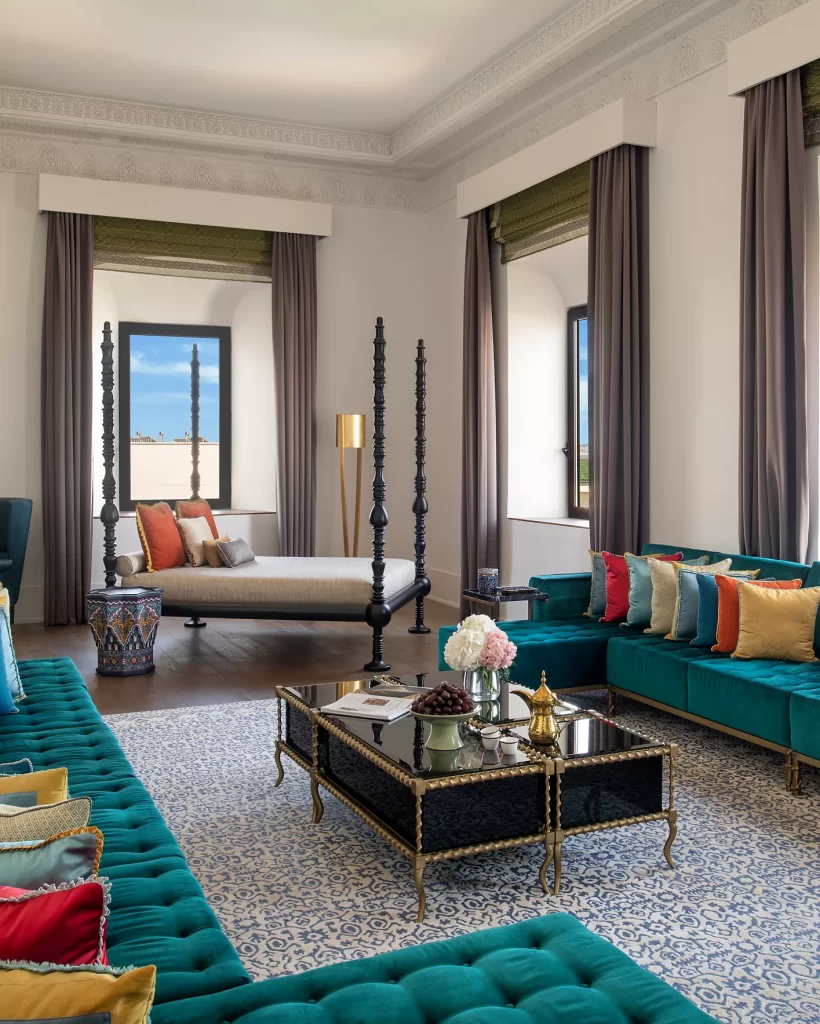
Field notes from 40 nights across Paris, Portugal, Morocco and Vienna — what the world’s most-copied hospitality operators do that Australian operators usually don’t.
Key takeaways
- F&B isn’t a department, it’s the property’s narrative engine. The best operators run 6-8 F&B outlets per 130 keys, each with a distinct concept and named creative. The room is increasingly the supporting product.
- Heritage and place beat brand standards for premium positioning. Across Accor’s luxury portfolio (Fairmont, Sofitel) the marketing leads with local design language, not international brand identity. Australian operators with credible regional stories are under-leveraging them.
- Single-menu restaurants outperform multi-menu venues on per-cover economics. L’Atelier de l’Entrecôte has run the same one dish since 1959. Lunes form daily queues. Australian precincts have no such operator.
- Marketplace distribution (Viator, GetYourGuide, Airbnb Experiences) owns international visitor intent. Operators relying on direct-only are leaking the tourist segment to platforms.
- Nature/eco operators capture 2-3x more per guest by bundling experiences and transfers. Australian alternative-stay operators mostly sell accommodation-only and leave the margin on the table.
- Pre-arrival communications are the most under-valued brand touchpoint. The best operators ship genuine pre-stay value (curated city guides, partner restaurant intros, transfer booking) before the guest arrives.
Why this trip happened
I spent 40 nights last spring and autumn studying hospitality properties in Paris, Portugal, Morocco and Vienna. The brief was straightforward: look at what the world’s most-copied hospitality operators do that Australian operators usually don’t, and bring the lessons home.
I run a hospitality-specialist marketing agency in Brisbane (Merge), with clients spanning Accor portfolio properties, boutique hotels, precinct operators, nature-stay operators, and restaurants. The Australian hospitality industry is excellent. It’s also relatively isolated — most operators benchmark themselves against domestic peers rather than international ones. Sitting at the actual front desks, eating in the actual F&B outlets, and watching how the actual systems run is a different exercise from reading case studies.
This is a field-notes article — observations from staying at the properties myself, not desk research. The 23 properties span:
- Paris: 9Confidentiel (Philippe Starck boutique), Antiga Casa Pessoa equivalents in Lisbon
- Portugal: Tivoli Carvoeiro, H10 Duque de Loule, Antiga Casa Pessoa (Architecture Valmor Prize 2020), Vintage House Vila Real, Quinta da Gricha, Downtown PortoEdition, and others
- Morocco: Fairmont Tazi Palace Tangier, Sofitel Agadir Royal Bay, Pierre’s Riad Dar Beija Marrakesh, Riad Mosaic Chefchaouen, Riad Rcif Fes, Kasbah Tamsna Ouarzazate, Le Douar Berbère Ourika, The O Experience Imsouane, Desert Luxury Camp Merzouga
- Vienna: Private CENTRAL Vienna
Plus 9 tours/experiences and a handful of destination restaurants (L’Atelier de l’Entrecôte, Benoit Paris, Crazy Horse Paris, Lalla Zehra cooking school, Le Marais pastry tour, Pinhão Solar Boats, Majorelle Garden, Parques de Sintra).
Here are the six observations that recurred most often.

1. F&B is no longer a hotel department — it's the property's narrative engine
The clearest pattern across the luxury properties I stayed at: F&B isn’t a supporting service, it’s the brand’s primary storytelling vehicle.
Fairmont Tazi Palace Tangier runs 7 restaurants and bars at a 133-room property. That’s a 1:19 F&B-to-keys ratio. Each outlet has its own concept and, often, its own named partnership:
- Parisa — Persian cuisine on an outdoor terrace
- Crudo — Mediterranean and seafood
- Siddharta Lounge by Buddha-Bar — branded poolside lounge
- The Rose Room — afternoon tea
- Clementine — daytime juice and wellness food
- Innocents — speakeasy bar
This isn’t “the hotel restaurant.” It’s six distinct destinations under one roof. Each one is photographed differently, marketed differently, and gives the guest a reason to stay on-property for the evening.
By contrast, Mantra Mooloolaba Beach — a 188-key Sunshine Coast property I stayed at in December — has effectively no on-site F&B. The model relies on the 30+ Esplanade restaurants opposite. This works for guests who want choice, but it leaves Mantra with zero F&B revenue per stay and zero control over the guest’s most-shared experience.
The lesson for Australian operators: in F&B-rich precincts (Mooloolaba, Manly Wharf, HSW tenants), outsourcing F&B can work — but the operator should still curate. A “Mantra Mooloolaba Esplanade guide” with 6-10 partner restaurants offering a small benefit costs nothing and keeps the food experience inside the Mantra brand. Where there’s no precinct density (regional resorts, destination hotels), the lack of strong F&B is a real revenue and brand gap, not just an operational choice.
2. Heritage and place beat brand standards for premium positioning
Walking into Antiga Casa Pessoa in Lisbon, you don’t feel like you’re in a hotel. It’s a 200-year-old apartment building restored by architect José Adrião — winner of the Architecture Valmor Prize 2020 plus a Gulbenkian Heritage Honorary Mention and Premis FAD 2021. The frescoes and tiles are original; the interior fitout is contemporary minimal. Each of the 13 apartments is different. The property markets itself entirely through architectural press, not performance marketing.
Across Accor’s luxury portfolio, the pattern repeats. Fairmont Tazi Palace Tangier is a restored 1920s palace that was never completed and sat abandoned for decades before the Fairmont restoration. Sofitel Agadir Royal Bay Resort is “inspired by the architecture of Moroccan Riads” — Accor explicitly markets it through local design language.
Australian operators who have a genuine heritage or regional story are frequently under-leveraging it. Mantra/Mercure properties in places with real local stories (Bunbury’s port history, Clear Mountain’s D’Aguilar Range escarpment context, Mandala Ace Albany’s Western Australian heritage) tend to lead marketing with brand template, not place. The international luxury portfolio is moving in the opposite direction — local first, brand second.
The economic logic: heritage and place are defensible moats. Brand templates aren’t.
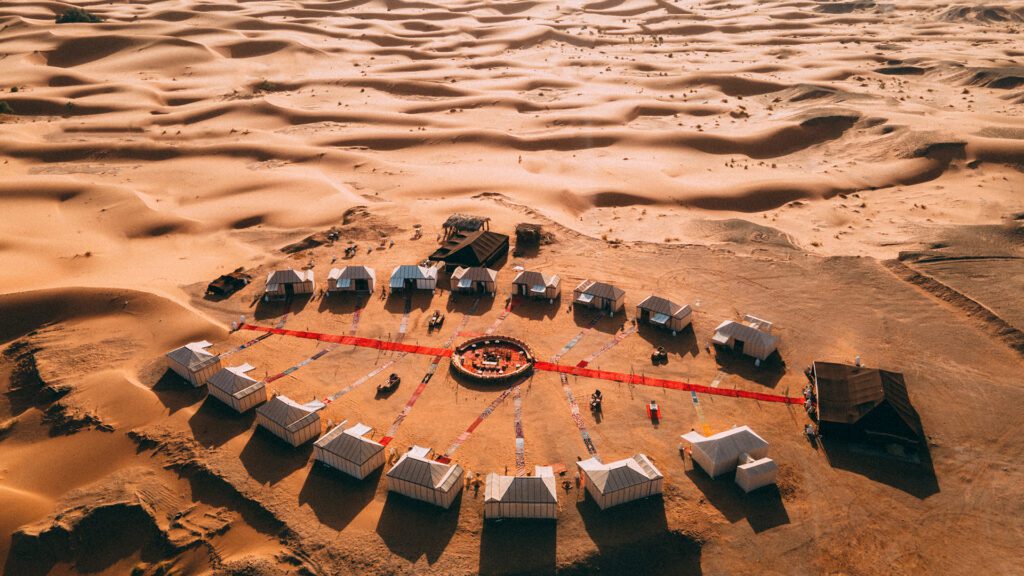
3. The single-menu restaurant is one of the most under-copied formats in hospitality
I queued for L’Atelier de l’Entrecôte in Paris on a Thursday night in September. The line was 25 deep at 7:25pm. The menu has been the same since 1959:
- Green salad with walnuts
- Pre-sliced sirloin steak with matchstick fries and “the secret sauce”
- Fries served in two stages so they stay hot
- Dessert (the only real choice)
That’s it. €26.50 for the menu. No reservations at the original outlets. Daily queues at 11:30am and 7pm.
The operating model is beautiful in its simplicity. The kitchen runs almost entirely around one dish. The order-taking complexity is reduced to two questions: how do you want the steak, and what’s for dessert. Throughput is staggering. The “secret sauce” functions as proprietary IP — the recipe has been guarded across three generations and is the actual marketing asset.
The family has expanded into multiple brands (Le Relais de Venise, Relais de l’Entrecôte, L’Entrecôte) with locations across Paris, Geneva and franchises in the Middle East and Latin America. The model exports.
Australia has very few operators doing this. Lune in Melbourne has shown the model works for croissants. There’s no equivalent for steak frites, ramen, single-dish Vietnamese, or oysters in most Australian capital city precincts.
For precinct operators (HSW, Manly Wharf, Eat Street Northshore), there’s a missing tenant slot here. The economics of a queue-out-the-door, single-menu operator on a wharf-front position is materially better than yet another multi-cuisine venue.
4. Marketplace distribution owns international visitor intent
I booked roughly 15 experiences and tours across the trip. Almost every one came through Viator, GetYourGuide or Airbnb Experiences — even where I knew the operator name in advance and could have gone direct.
Why? Because the marketplaces own the search intent. When you arrive in a new city, the friction-free path is “things to do in [city]” on a platform you already trust, with one account, one payment method, one review history. The operator’s own website is the fallback, not the default.
Operators who depend on direct-only distribution are systematically leaking the international visitor segment. Tour operators in Australia, especially in tourist-dense areas (Sydney Harbour, Brisbane River, Sunshine Coast, Cairns, Hobart), need a strong presence on:
- Viator (TripAdvisor-owned, biggest international reach)
- GetYourGuide (strongest in Europe, growing in APAC)
- Airbnb Experiences (smaller but high-intent + design-conscious traveller)
Yes, the platforms take 20-30% commission. Yes, they own the customer relationship. But the alternative is invisibility to the international visitor segment, which is where domestic operators face the least competitive saturation.
5. Nature/eco operators capture 2-3x more per guest by bundling experiences and transfers
I spent five days across three Moroccan nature/eco properties:
- Le Douar Berbère in the Ourika Valley (Atlas Mountains ecolodge, 5 suites, adults-only, Swiss-managed)
- The O Experience Tayourt Lodge in Imsouane (Atlantic coast surf lodge, 6 rooms, beachfront)
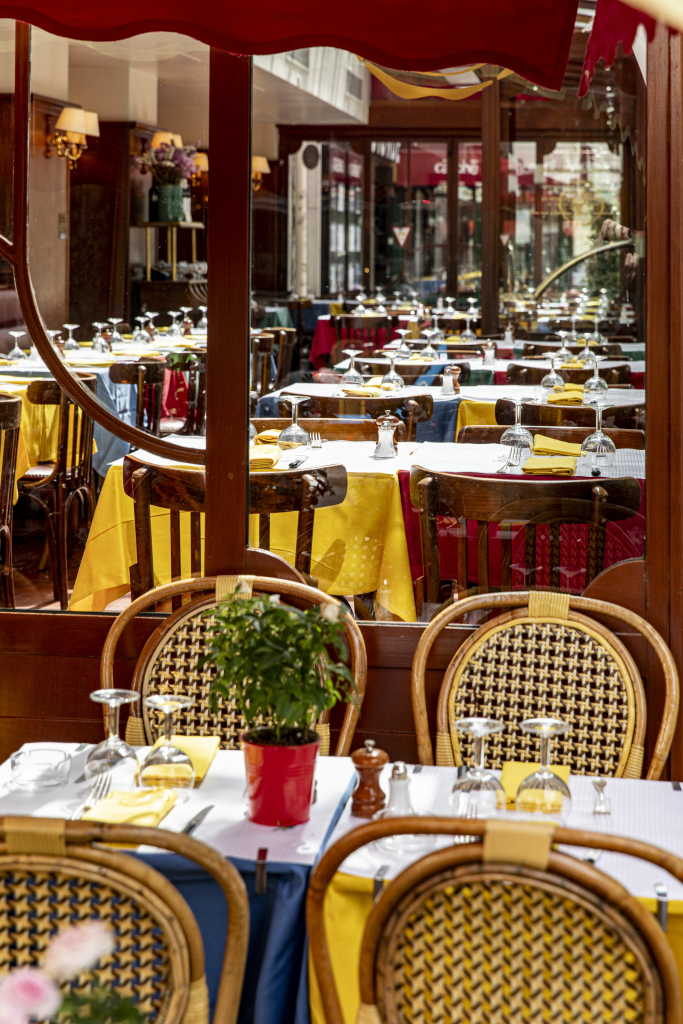
- Desert Luxury Camp in the Sahara (luxury glamping at Erg Chebbi)
The Desert Luxury Camp invoice came out cleanest. MAD 10,400 (~AUD 1,766) for 2 nights, 2 people. That included: round-trip transfers from Merzouga, 2 nights in the canvas tent with ensuite, breakfast and dinner, camel rides with a guide, sand boards, campfire entertainment, and a 4WD desert excursion.
The room itself was probably 30-40% of that price. The rest is transport, food, and experiences. The operator captures margin on the entire vertical, not just the bed-night.
Australian alternative-stay operators (Tiny Away, Unyoked, Wander Cabins) mostly sell accommodation-only. The bundling opportunity is significant: 2-night cabin + private transfer ex-Sydney/Melbourne + pre-stocked grocery hamper + 1 partner experience. Even at a 1.5x premium to accommodation-only, the margin uplift is material.
Le Douar Berbère runs a hybrid model — B&B base rate with paid add-ons (hammam, cooking class, archery, bike tours, yoga). Most guests buy multiple add-ons during their stay. The “eco” positioning justifies the rate; the add-on architecture monetises the captive audience.
6. Pre-arrival communications are the most under-valued brand touchpoint
The best operator interaction of the entire trip wasn’t a meal or a room — it was an email. Pierre, who runs Riad Dar Beija in the Marrakesh medina (where I stayed in two different suites across five nights), sent me a personalised pre-stay email roughly two weeks before arrival.
It contained:
- A Google Drive link to a comprehensive Marrakesh guide — restaurants by neighborhood, hammams and spas with personal preference notes, day trips, navigation advice, security tips
- A separate transfer-booking form (driver service for 15 EUR/group from the airport)
- An in-house dinner pre-order form (175 MAD/person for a traditional tagine dinner served on the terrace)
- Genuine warmth — written in his own voice, not a templated CRM blast
By the time I checked in, I trusted Pierre. The transactional booking experience on Airbnb had been replaced with a relationship. The riad’s small operational scale (he likely has fewer than 8 suites across his property) becomes an asset rather than a limitation — he can do this for every guest personally.
Most Australian hospitality pre-arrival sequences are confirmations, payment receipts, and check-in instructions. They’re transactional. The Pierre model — pre-stay digital concierge that actually adds value — is the under-rated luxury upgrade.
Boutique hotels and short-stay apartment operators should be auditing their pre-arrival email sequences this quarter. The question isn’t “are we sending the confirmation?” It’s “are we using the pre-stay window to start the brand relationship?”
What's next
Six observations across 40 nights and 23 properties is a starting point, not a conclusion. I’m publishing deeper-dive articles on each of these themes in the coming weeks:
- Heritage architecture as the new luxury moat — deep dive on Antiga Casa Pessoa, Fairmont Tazi Palace, and Vintage House Vila Real
- The L’Atelier de l’Entrecôte playbook — what Australian restaurants can learn from a single-menu restaurant that hasn’t changed since 1959
- The Moroccan riad concierge model — small-scale operators delivering big-hotel service via personalised pre-stay touchpoints
- Luxury glamping economics — why nature-stay operators leave money on the table when they sell accommodation-only
- European precinct activation — how Marrakesh, Lisbon and Tangier maintain late-night dwell time that most Australian precincts don’t
Subscribe to our newsletter if you want them delivered as they go live. Or book a 30-minute hospitality strategy call if any of these patterns intersect with what you’re working on right now.
Frequently Asked Questions
What kinds of hospitality businesses can apply these insights?
Hotels, restaurants, F&B precincts, function venues, tour operators, alternative-stay providers, and cultural attractions. The observations span luxury and upper-midscale segments; some apply to budget operators (single-menu, marketplace distribution) and some don’t (Fairmont F&B density).
How much did this research cost?
The trip was 40 nights of accommodation across Europe and Morocco plus 9 tours and experiences — a substantial research investment by an Australian marketing agency. It’s funded as ongoing research and development for clients in the hospitality vertical.
Are these findings just observation, or is there data behind them?
The observations are first-hand. The data points (room counts, F&B outlet counts, rate ranges, distribution mix) are sourced from operator websites, OTA listings, industry research, and cross-verified via Perplexity sonar-pro research. Every claim about a specific property is referenced.
Why Morocco specifically?
Morocco’s hospitality industry has had explosive luxury growth in the last decade — Fairmont, Sofitel, Banyan Tree, Mandarin Oriental have all opened or expanded major properties since 2018. It’s also where the world’s most copied small-scale boutique format (the riad) operates at scale. For Australian hospitality marketers, it’s a more useful comparison than (say) the same conversation about North American hotel groups.
What if I run a property that doesn't match these examples?
Most of the principles travel across segments and price points. A roadside motel won’t have a 1:19 F&B-to-keys ratio, but the question “what does my property’s narrative engine look like?” still applies. Send me a note if you want to talk through what’s relevant to your business.
About the author
Eugene Went is the Digital Marketing Director at Merge, a hospitality-specialist marketing agency based in Brisbane. Merge works with Accor portfolio properties, boutique hotels, precinct operators, alternative-stay providers, and restaurants across Australia. The 40-night research trip was conducted in September–November 2025 with client work as the explicit focus.
Photos courtesy of property official sources (Fairmont Hotels / Accor, Sofitel / Accor, Mantra Hotels / Accor, Tivoli Hotels / Minor Hotels, Antiga Casa Pessoa, Vintage House Hotel, Le Douar Berbère, Desert Luxury Camp, Le Relais de l’Entrecôte, Benoit Paris / Alain Ducasse, Daurum Solar Boats, Lalla Zehra, Jardin Majorelle / YSL Foundation, Parques de Sintra) plus the author’s own field photography.