Hospitality Marketing Agency
Get more bookings for your venue with a digital marketing strategy tailored for restaurants, bars, pubs & hotels.
320+
Venues Across Australia
We've generated results for a wide range of hospitality brands across Australia.
2,000+
Hospitality Marketing Campaigns
High converting marketing campaigns across Facebook, Instagram, Linkedin & Google.
20 Million
Potential Customers
Benefit from our unique database of high quality customers.
Our Hospitality Marketing Services
High-converting hospitality marketing campaigns to generate reservations, functions and foot traffic for your venue.
Social Media Marketing
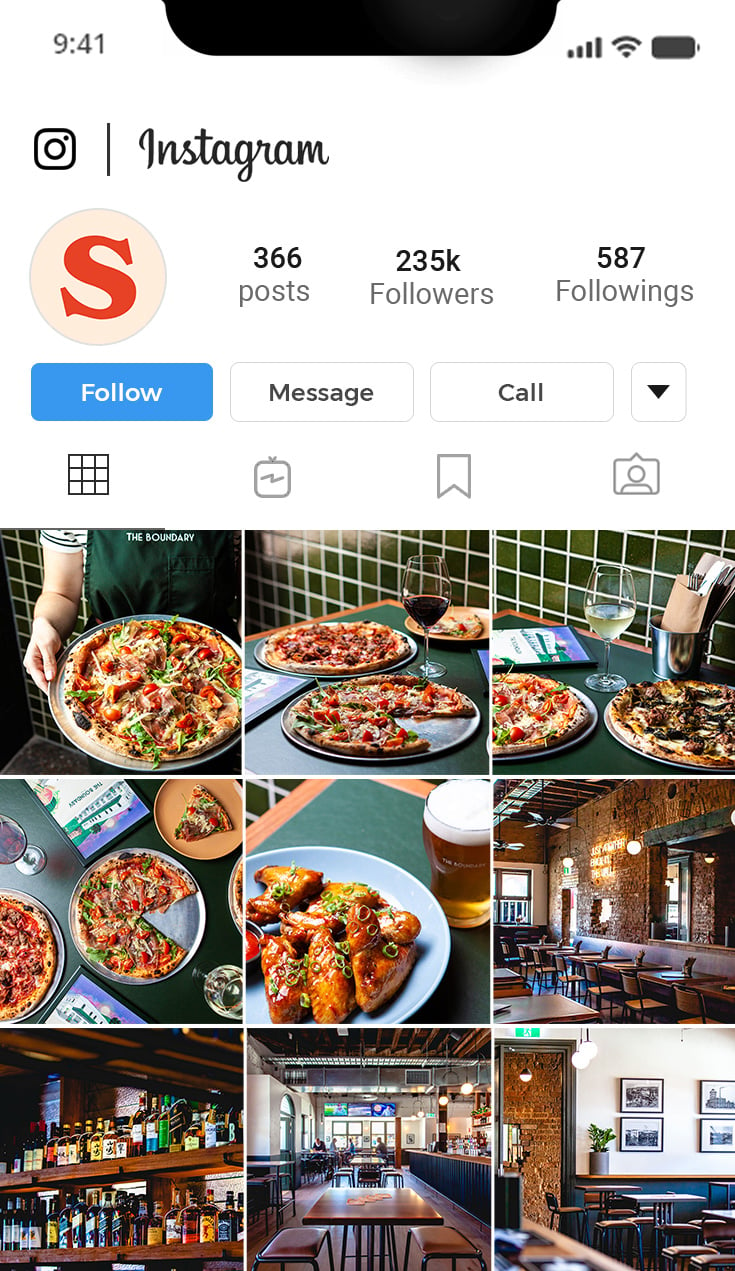
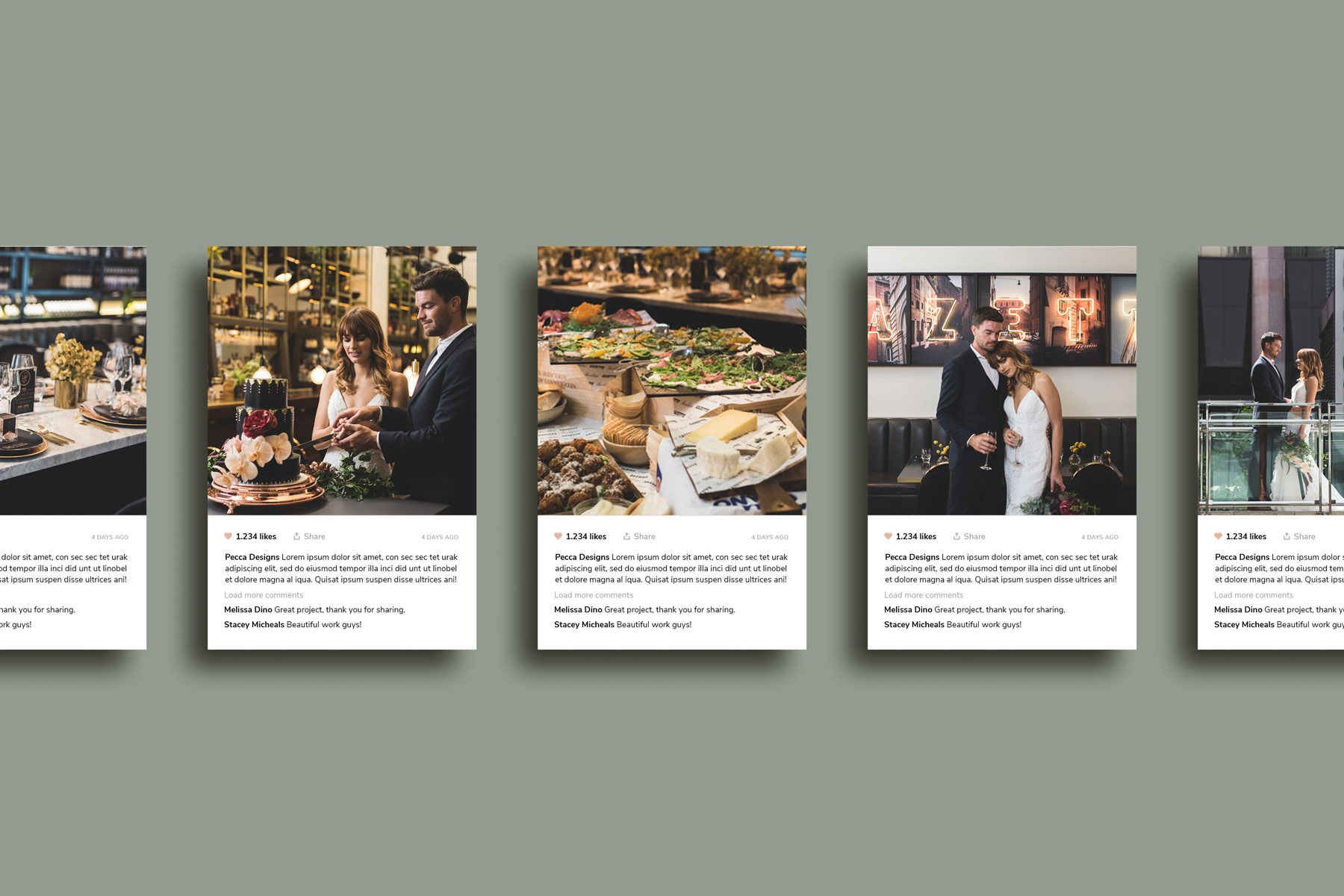
Get more likes and engagement across major social media platforms including Facebook and Instagram with our social media management packages. Our services include content creation, community management and follower building.
Search Engine Optimisation
Search engine optimisation (SEO) is the process of improving the visibility of a website in a search engine’s results page. Our team of SEO experts will help you to dominate the search engines for your function venue or events service.
Local Area Marketing
Search engine optimisation (SEO) is the process of improving the visibility of a website in a search engine’s results page. Our team of SEO experts will help you to dominate the search engines for your function venue or events service.
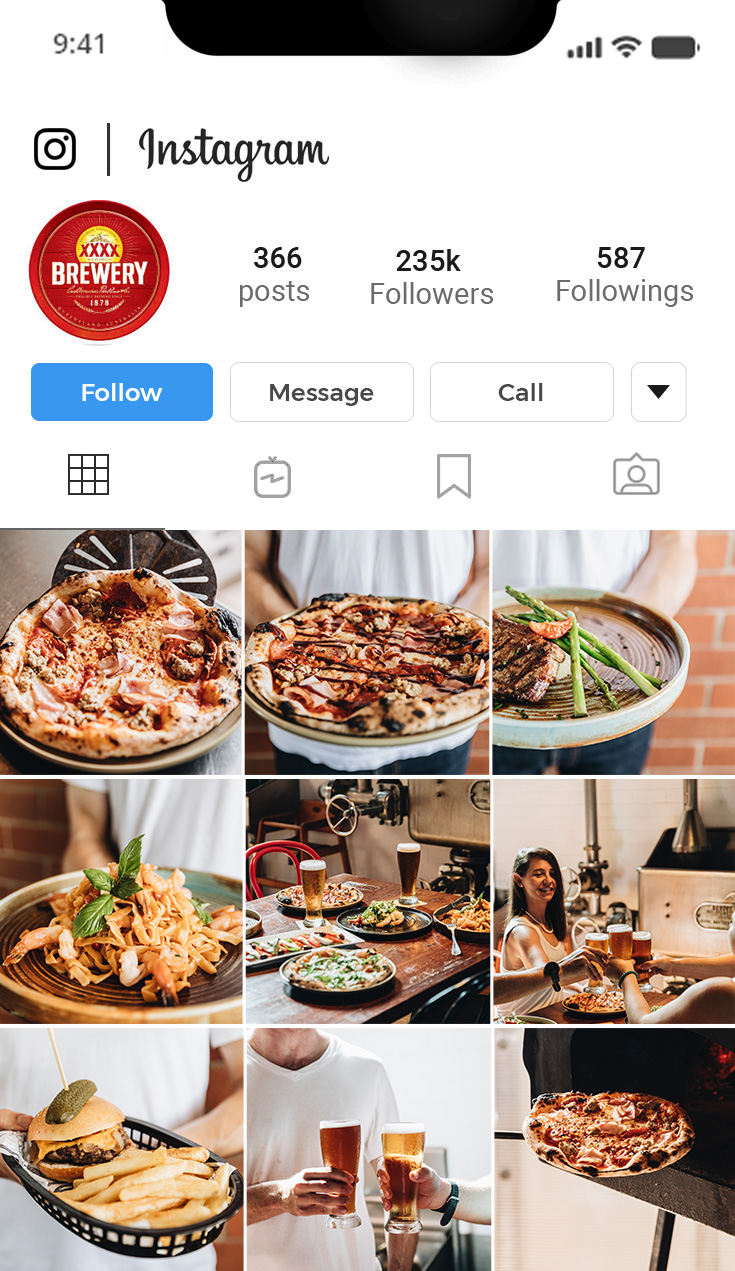
Photography & Videography
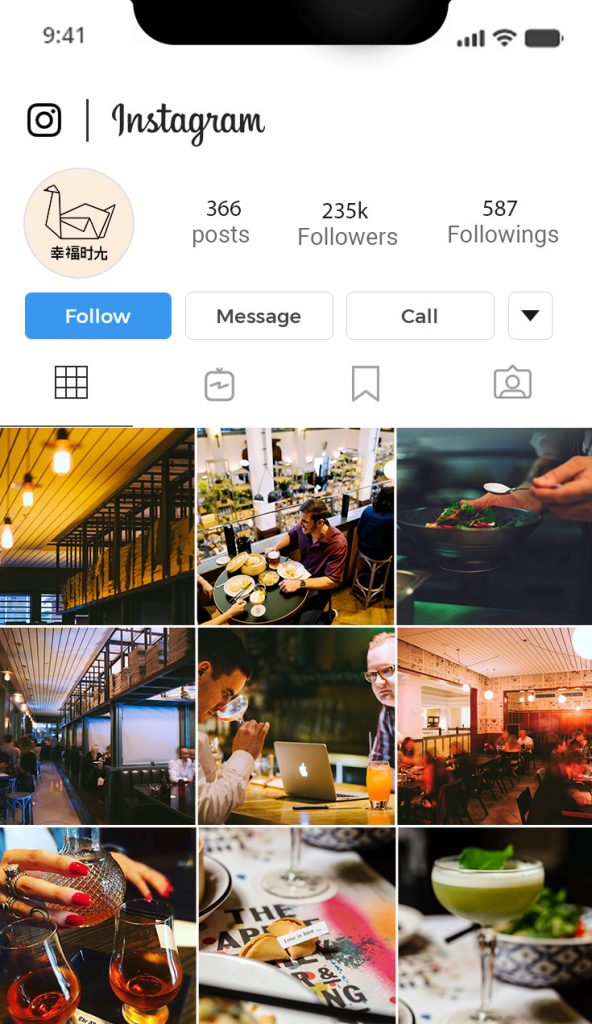
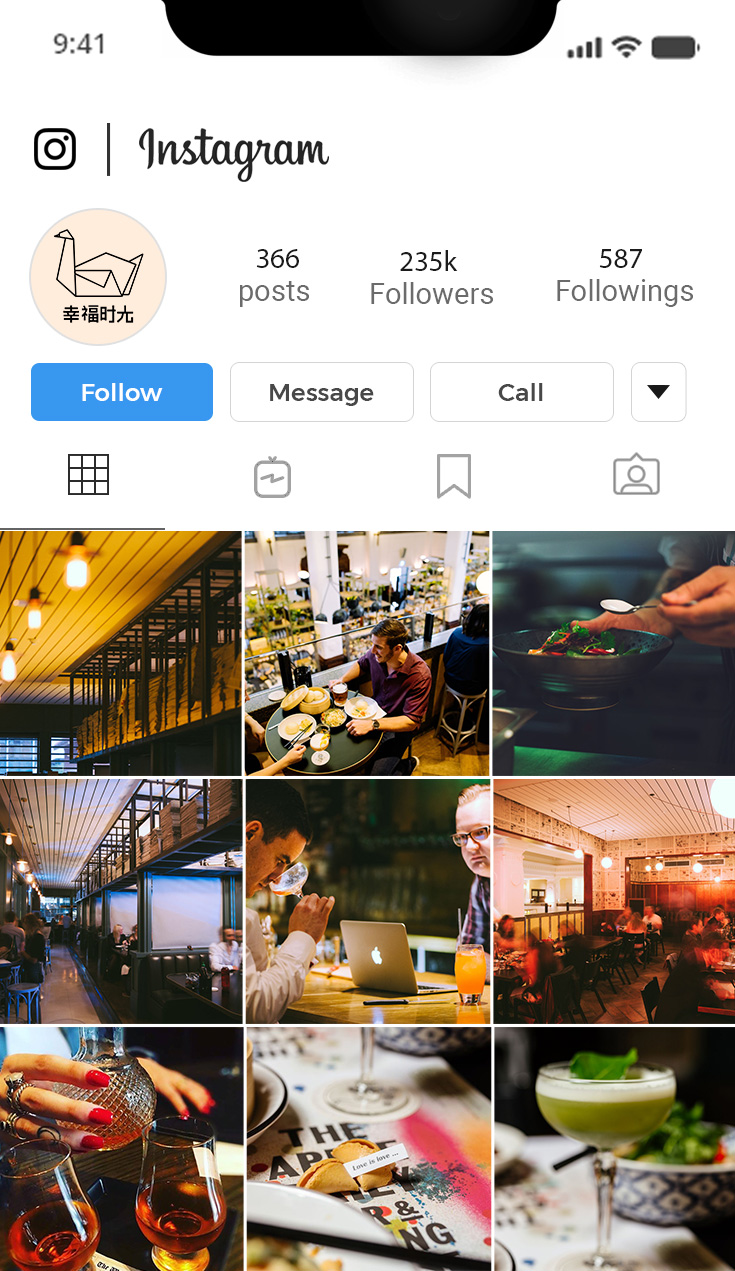
Build a portfolio of beautiful images and video through our content creation services. We work with a range of experienced photographers and videographers to produce content that captivates audiences and drives them to take action.
Email Marketing
Build a portfolio of beautiful images and video through our content creation services. We work with a range of experienced photographers and videographers to produce content that captivates audiences and drives them to take action.
Email Marketing
Build a portfolio of beautiful images and video through our content creation services. We work with a range of experienced photographers and videographers to produce content that captivates audiences and drives them to take action.
Lead Generation
Functions & Weddings Campaigns
Boost the enquiry rate of your event venue with our proven digital strategies.
Our experts will also provide assistance to your functions sales team to boost minimum spends and bookings.
- Gain awareness from people searching for function spaces and wedding venues in your local area.
- Choose from a range of event types including corporate events, Christmas parties, birthdays & more.
- Increase average spends and bookings during off-peak trading hours with tactical messaging.
Local Awareness
Restaurants & Bars
Generate bookings and increase patronage of your venue by locals within your target area.
- Increase bookings and boost visibility of your offering with campaigns across digital media platforms.
- Target customers with specific demographics and interests who live or work in your local area
- Track campaign performance including the total number of table bookings and covers with our advanced analytics
- Optimise your campaign with recommendations from our team of experts
Ticketed & Seasonal Events
Event Promotion
Generate awareness and boost attendance of your events with our powerful digital strategy.
- Increase bookings and boost event visibility with targeted ads across social media and display networks.
- Drive engagement and grow your database with competitions.
- Build high quality email databases to communicate to customers
- Boost ticket sales through advanced retargeting
- Track your campaign’s performance with regular reporting
Hospitality Marketing
How Can Our Agency Help Your Venue?
We help hundreds of hospitality businesses across Australia improve their enquiries and sales online our digital marketing services.
Increase Takeaway Orders
Takeaway is an essential revenue stream for restaurants, cafes and venues. Our experienced hospitality marketing agency will design a strategy to reach new customers and boost your takeaway sales.
Improve Venue Bookings
Generate Function Enquiries
Increase Bookings & Appointments
Our Facebook, Instagram and Google marketing campaigns are designed to find potential customers and generate online bookings and appointments for your business.
Book More Sales Meetings
Our marketing agency can help you book more sales meetings through high-converting social media and Google marketing campaigns.
Need Help Marketing Your Hospitality Business? Let's talk.
Hospitality Marketing Agency
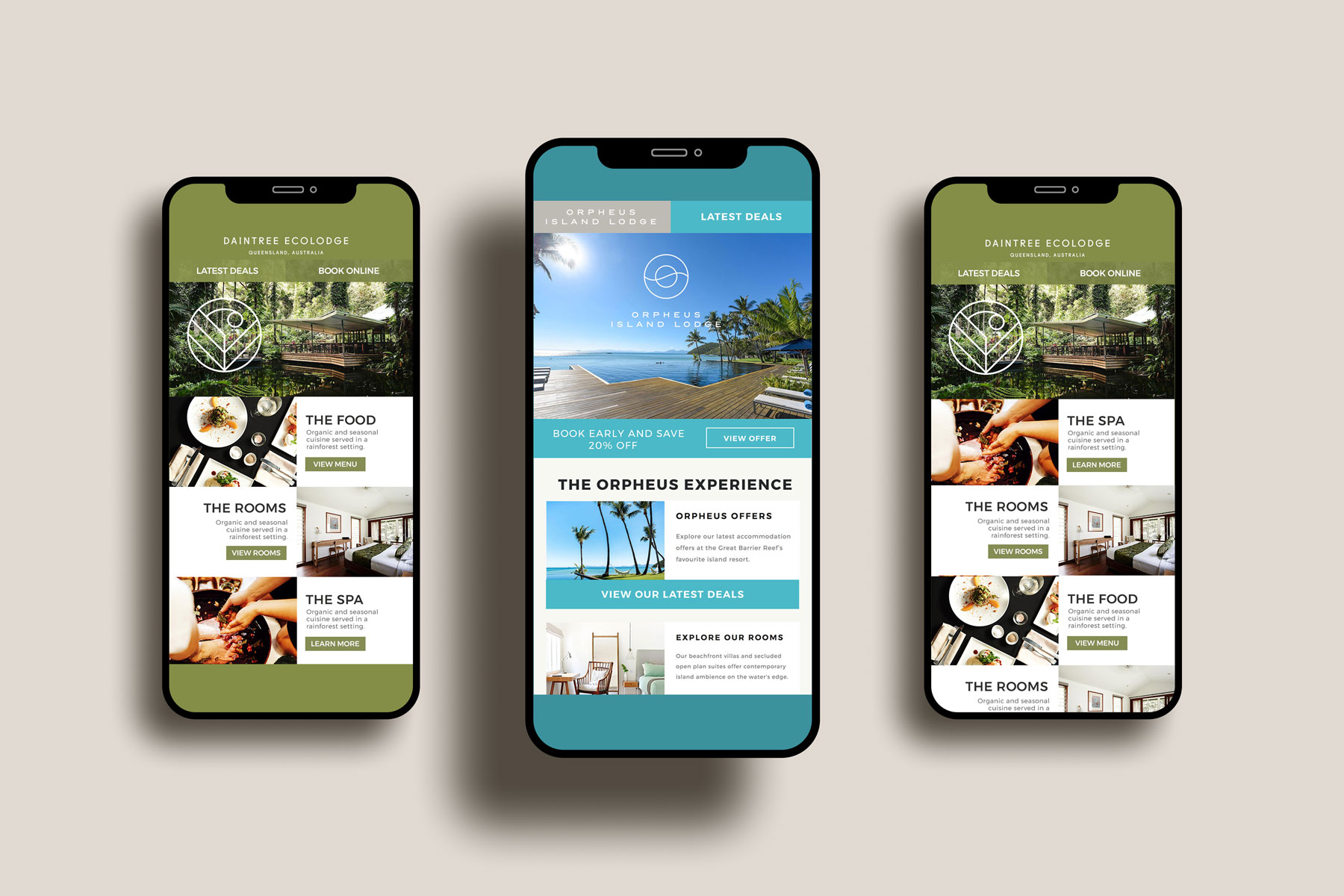
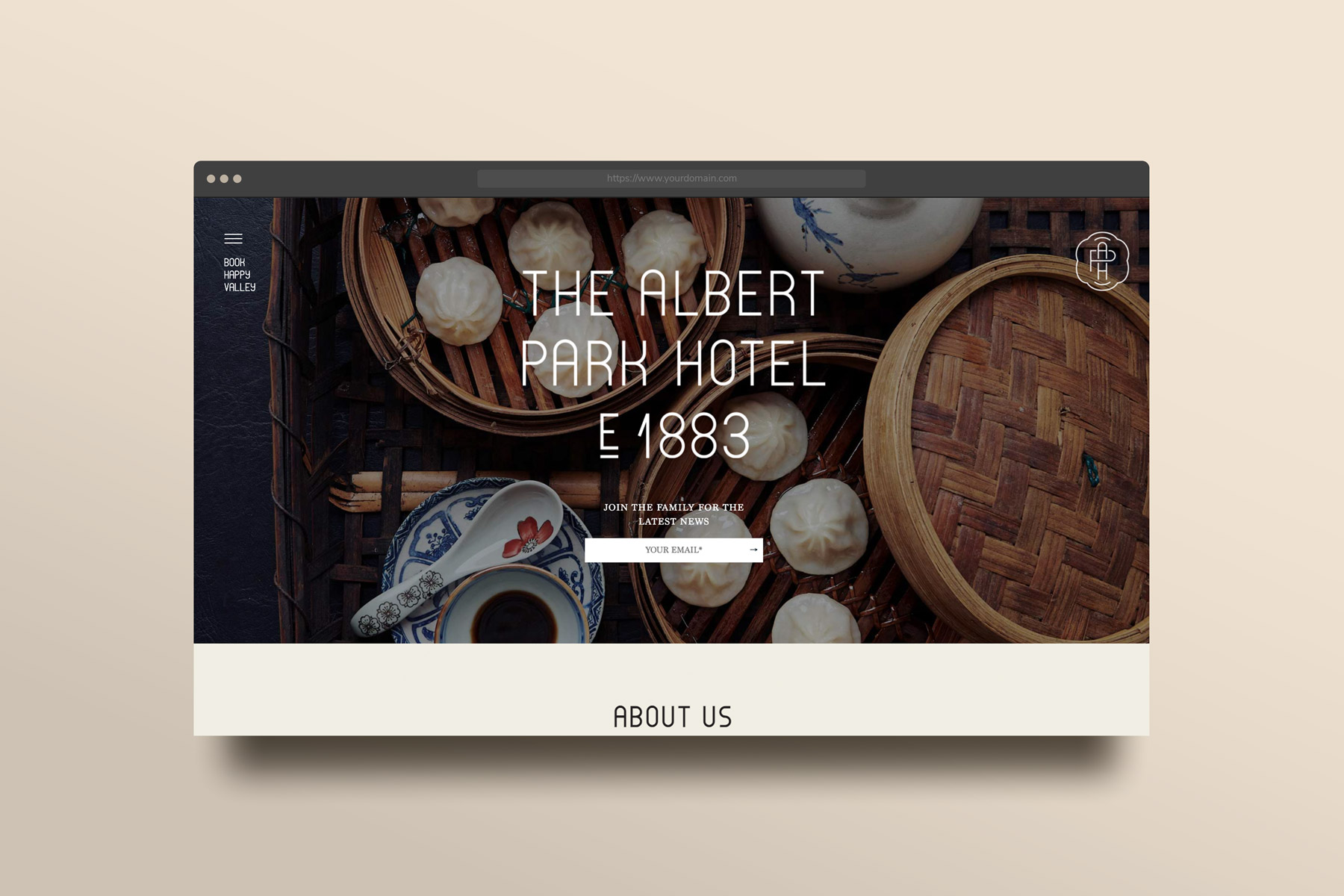
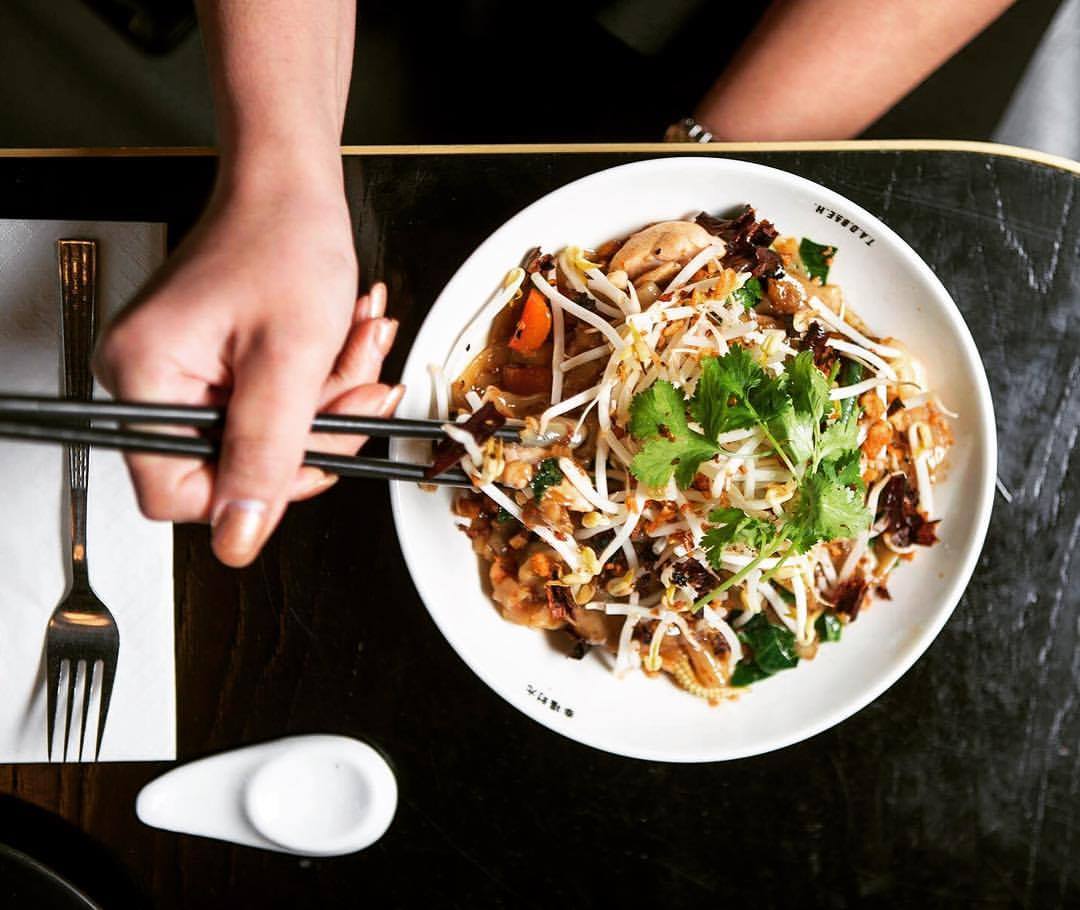
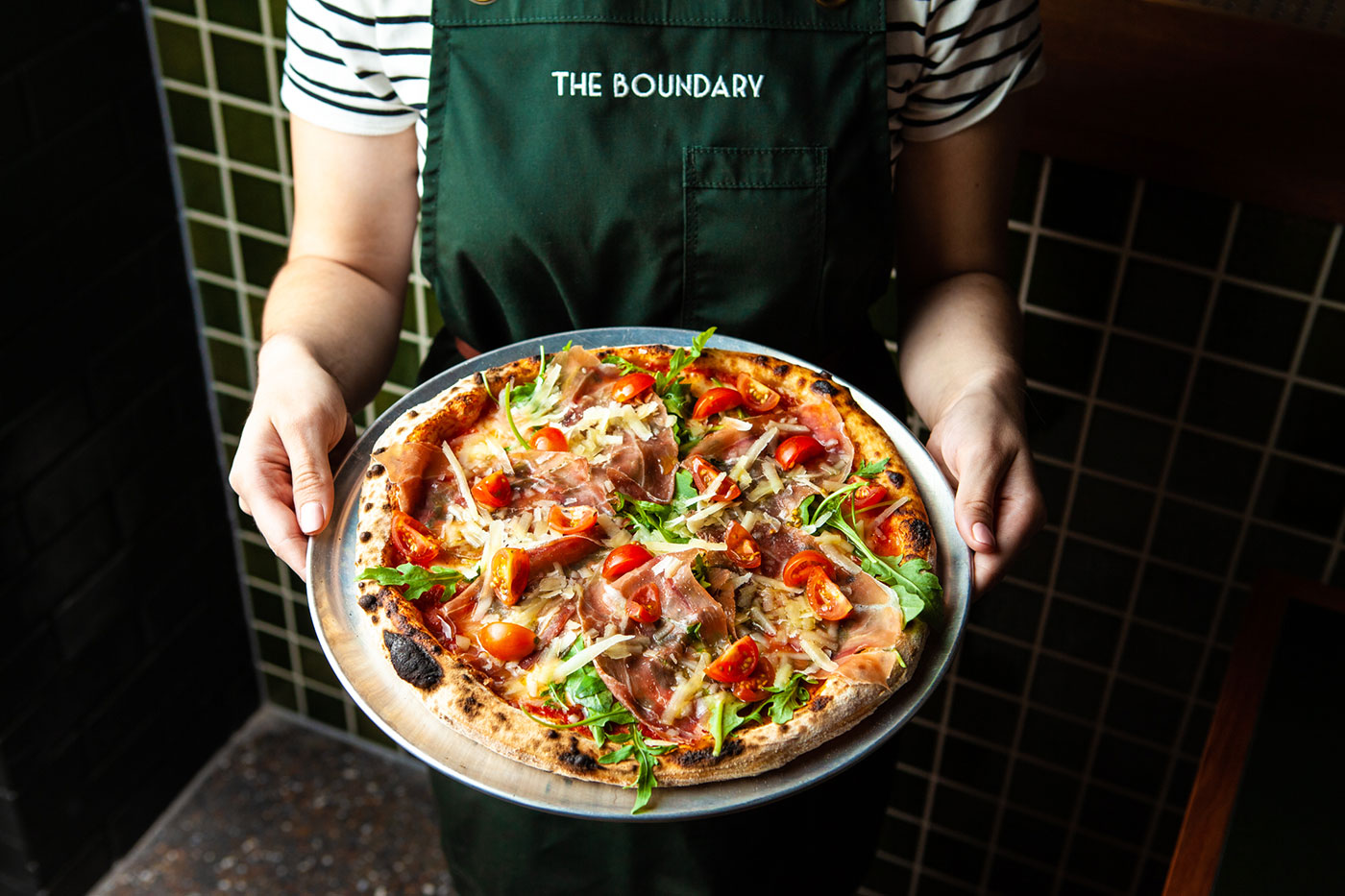
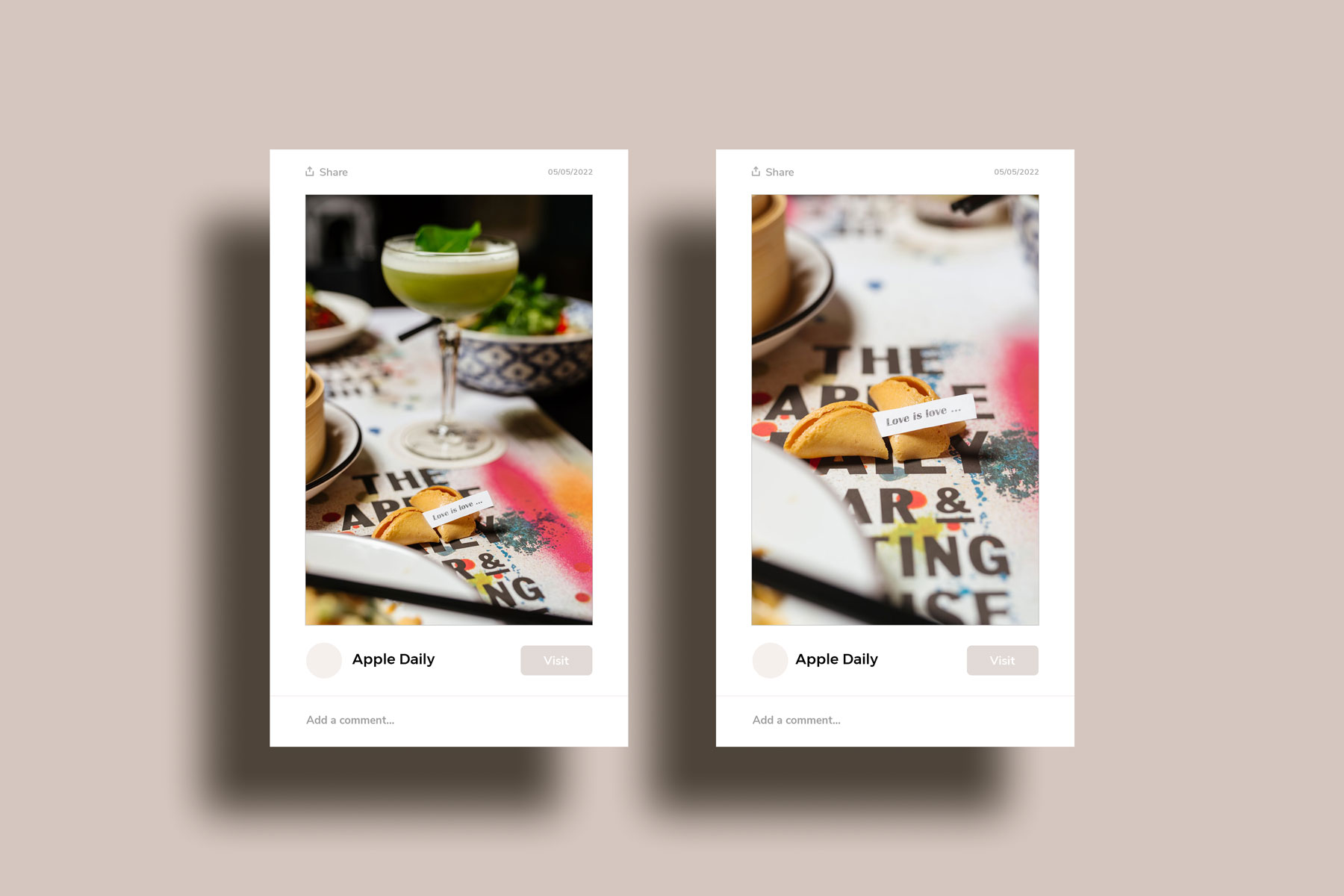
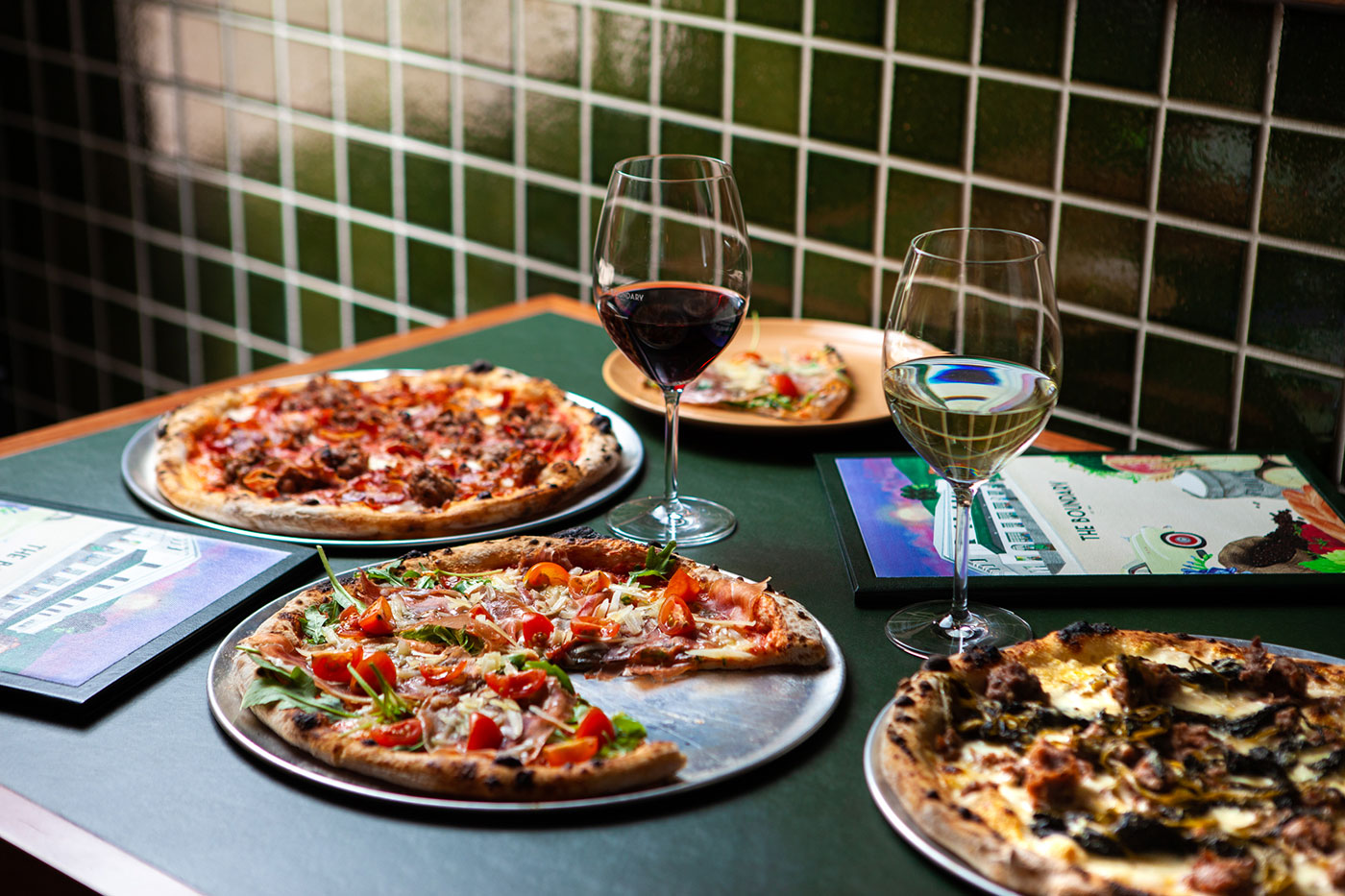
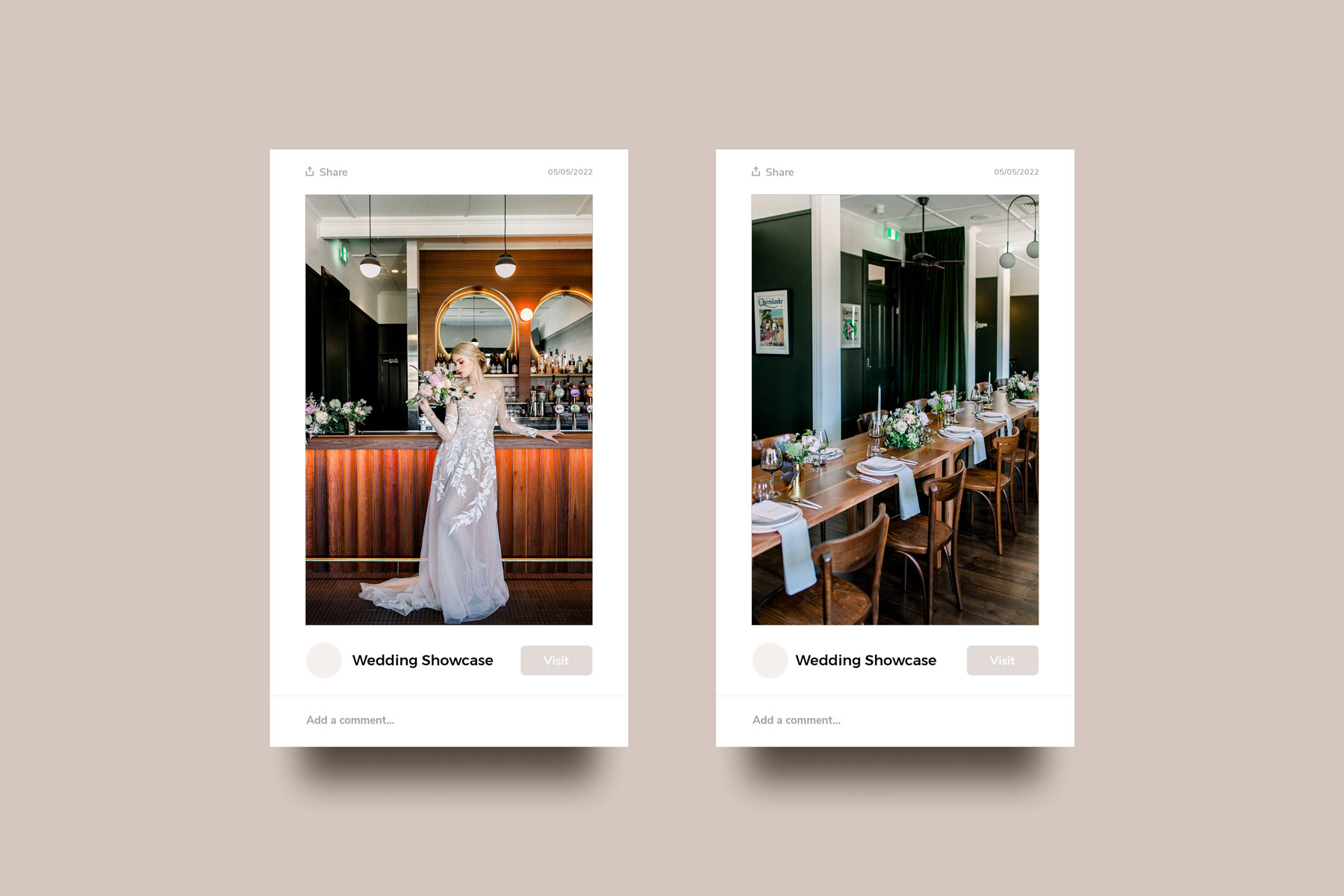
A sample of our high-converting digital marketing campaigns across Facebook, Instagram & Google.
Case Studies & Results
A sample of our results from digital marketing campaigns across Australia.
How We Generated 500k Impressions In 14 Days
ADS SEEN
PEOPLE REACHED
CAMPAIGN VIEWS
USER SIGNUPS
2,020+ Instagram Likes In 9 Days For This Brewery
With 320 days of scorching summer, Townsville needed a place to make big beers that quench an endless thirst. To support the launch of Tiny Mountain Brewing, we put together a targeted social media strategy to position this brand for long term success.
ADS SEEN
PEOPLE REACHED
FACEBOOK FOLLOWERS
INSTAGRAM
LIKES
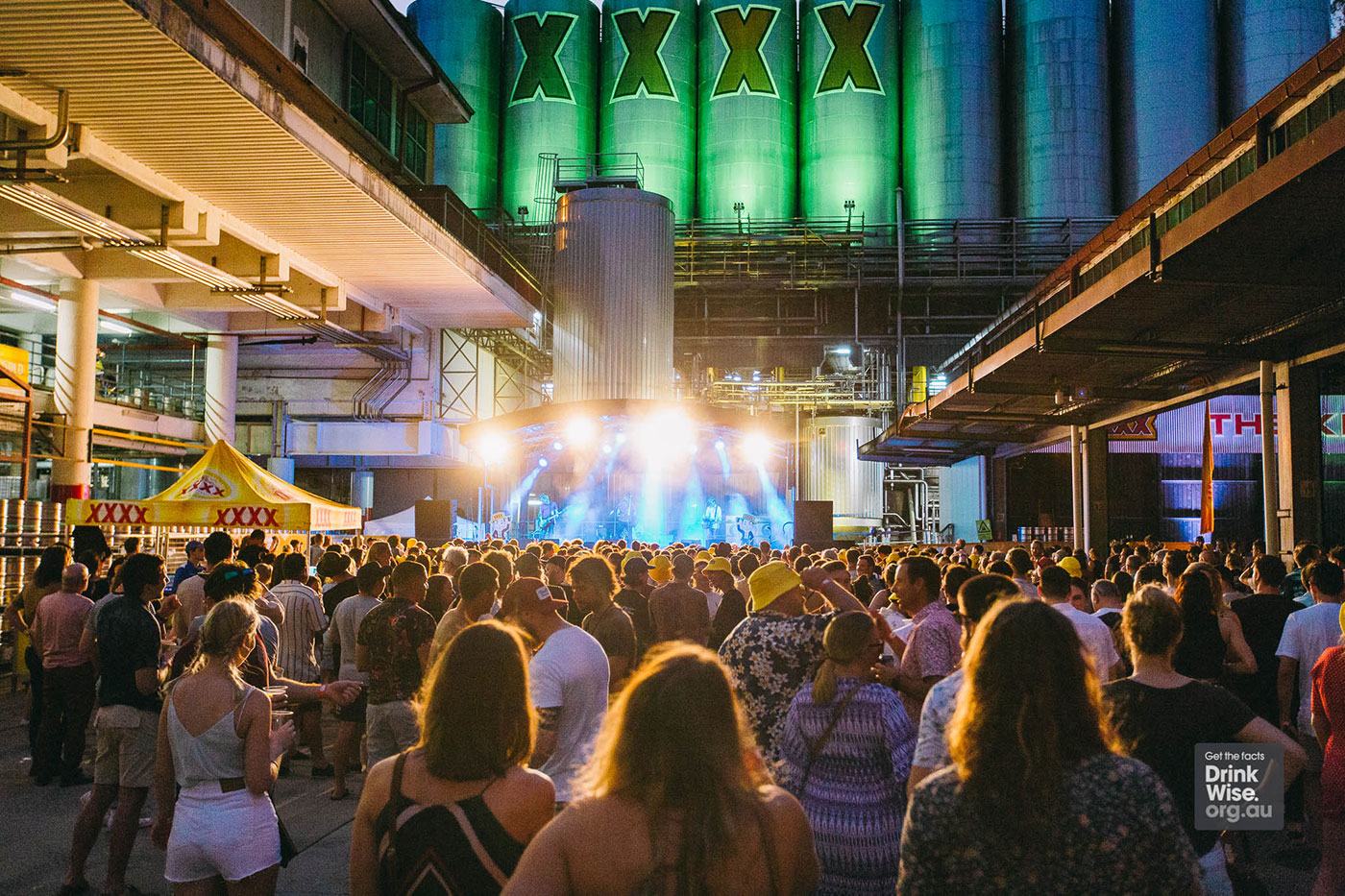
2+ Million Ad Views For Colonial Brewing Co
We joined forces with Greenpoint Media to execute a powerful brand campaign for Colonial Brewing Co.
We designed a digital amplification strategy across social media networks and display networks to maximise their brand awareness throughout summer.
The campaign blitzed a wide range of industry benchmarks and provided the brand with enormous exposure to new and existing audiences.
PEOPLE REACHED
VIDEO VIEWS
Increase Your Bookings & Function Enquiries
Hospitality Marketing Agency
Restaurants, Bars, Function Venues & More
We’re a digital marketing agency for Australian hospitality brands. From food and beverage to retail, recreation and attractions, we help clients build sustainable, profitable their business through digital marketing.
Our hospitality marketing agency specialises in creating, implementing, and optimising online marketing campaigns for hotels, resorts, restaurants, cruise lines and event facilities. Our strategies focus on increasing online presence through social media (Facebook & Instagram), search engine optimisation (SEO), content creation, email marketing and website design.
With the latest tools, software and resources needed for today’s market, our goal is to help hospitality professionals understand how they can use technology to turn their space into an attractive destination for guests and new business.
Restaurant Marketing
Marketing For Bars
We provide digital marketing for bars to create and execute tailor-made marketing strategies designed to generate reservations, walkins and functions.
Marketing For Pubs
We have extensive experience working with some of Australia’s best pubs.
Hotel Digital Marketing
Marketing For Event Venues
Merge is Australia’s #1 agency for event venues. We’ve worked with over 300 venue across Australia and have a strong understanding of lead generation.
Wedding Venue Marketing
Marketing For Wineries
Brewery Marketing
Retail Precincts
What's the next step?
Get in touch today, tell us about your hospitality project & our team will take care of everything for you.
Enquire Today To Speak With Our Team
Enquire today and tell us about your brand & your project. Your own personal account manager will be in contact as soon as possible.
We'll Create a Custom Strategy & Pricing
A strategy will be designed specifically for your business to generate the results you're looking for.
Our Team Will Take Care of Everything
Our team will take care of every step of the way to save you time and ensure the best outcome.
Hospitality Marketing Agency
We are a full service hospitality marketing agency
Merge Digital is a hospitality marketing agency that provides lead generation and enquiry rate optimisation for restaurants, bars and hotels who are looking to thrive in a digital world.
We service a range of clients across the functions and events industry including wedding venues, function centres, catering and equipment hire services.
Our powerful hospitality marketing strategies have proven to increase enquiry rates by as much as 200%.